






What is the primary purpose of a lab analytical balance?
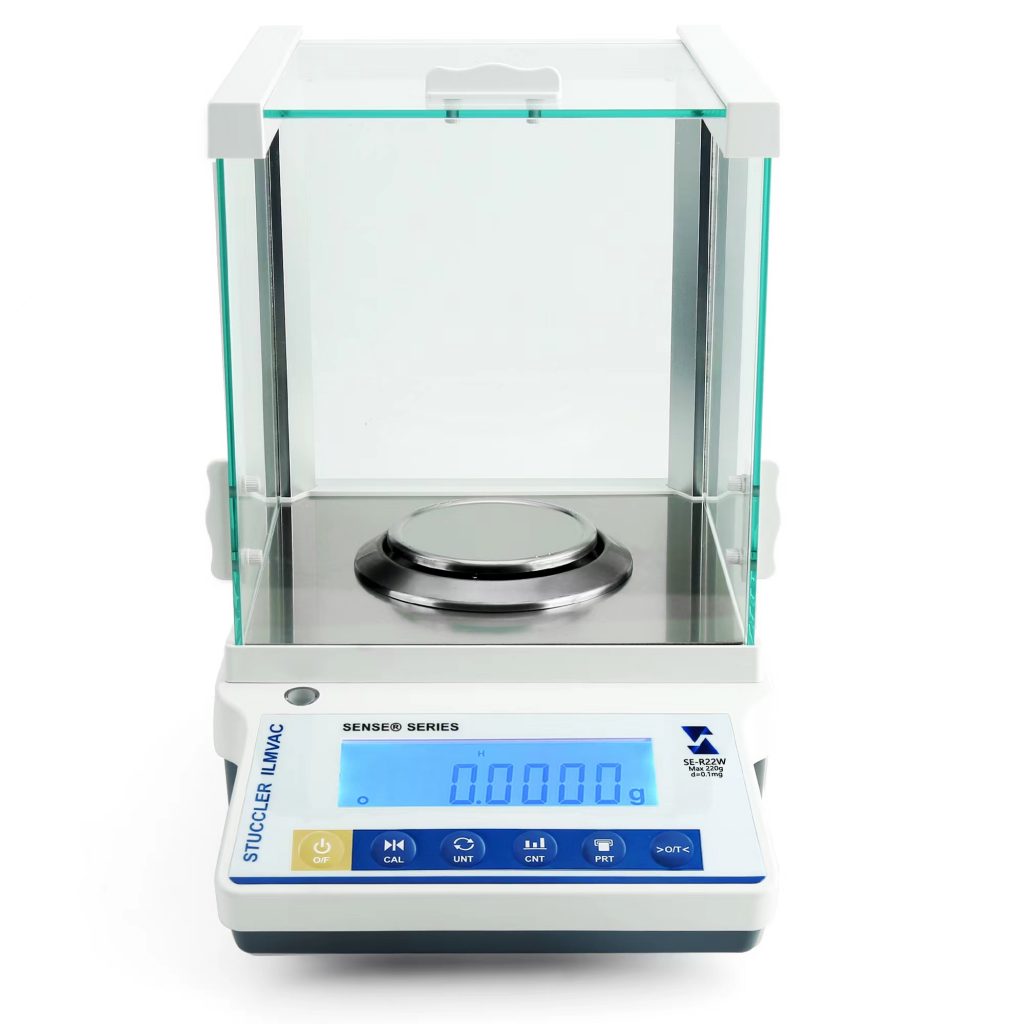
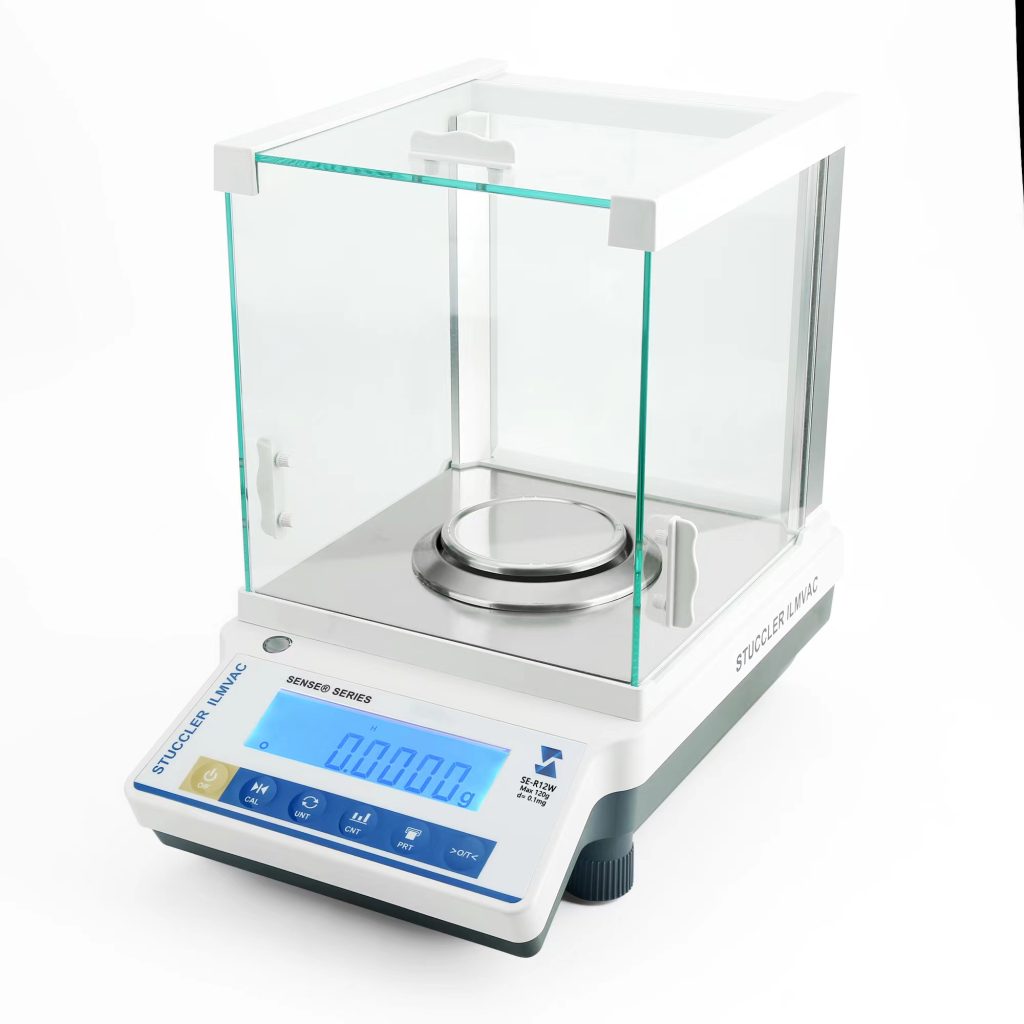
A lab analytical balance is a highly sensitive instrument designed to accurately measure the mass of small samples. Its readability ranges between 0.1mg and 0.01mg, protected by an integrated draft shield to block ambient air currents.
What is the basic working principle of an electromagnetic analytical scale?
Instead of comparing actual weights, an electronic analytical scale uses an electromagnet to generate a counter-balancing force against the sample’s mass, translating the electrical current into a precise digital readout.
What is the difference between an analytical balance and a standard digital scale for jewelry?
Premium analytical balances measure up to 4 decimal places in grams (0.0001g) using EMFC sensors, whereas standard lab scales or digital scales typically utilize strain gauge load cells with lower precision (0.01g to 1mg).
Exactly how accurate are Stuccler high precision analytical balance models?
Every Stuccler high precision analytical balance delivers a verified readability of 0.0001g (0.1mg) or 0.001ct, ensuring absolute reliability for traceability-critical operations.
When should a lab select a top-loading scale over a dedicated analytical weighing balance?
A top-loading scale is suitable when the sample weight reaches kilograms and a margin of error above 0.001g is acceptable. For micro-gram accuracy, a dedicated enclosed analytical weighing balance is required.
Do Stuccler laboratory balance models support multi-unit switching for global trade?
Yes. Our industrial laboratory balance inventory features single-button conversion across grams, carats, ounces, and pennyweights to meet international trade requirements.
What are the critical environment rules when installing professional analytical balances?
Always place your analytical balances in a temperature-controlled room away from doors, windows, and direct sunlight to prevent air drafts and temperature drifting inside the chamber.
What is the correct way to clean a sensitive laboratory balance?
Gently wipe away dry powders with a fine tissue or brush—never blow air into the chamber. Sticky residues can be removed using a lint-free cloth dampened with 70% isopropanol.
What factors contribute to the measurement uncertainty of an analytical scale?
Ambient temperature fluctuations, static electricity, static magnetic fields, and heavy machinery vibrations can introduce minor uncertainty into an active analytical scale readout.
Why is it vital to tare or zero your analytical scales before every transaction?
Zeroing ensures that the weight of the weighing paper or boat is completely subtracted, allowing the analytical scales to log only the true net mass of the sample.
What are the main corporate advantages of partnering with an established analytical balance supplier?
Partnering with an authorized analytical balance supplier like Stuccler guarantees factory-direct tier pricing, continuous spare parts availability, international ISO compliance, and certified calibration support.
How does Stuccler protect its delicate lab scales during international shipping?
All lab scales are secured in custom, drop-tested multi-layer reinforced cartons to entirely insulate the sensitive internal electromagnetic components from ocean or air transit vibrations.